Comprehensive OEM solutions covering induction-ready base blanking, multi-layer food service inserts, and high-durability circular slitting dies.
In the global B2B culinary manufacturing sector, the structural integrity, magnetic permeability, and thermal efficiency of cookware inserts define product quality. Modern commercial cooktops demand flawless thermal coupling between vessels and electromagnetic induction hobs.
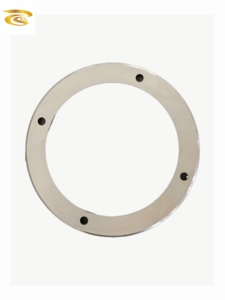
Ferritic stainless steel (EN 1.4016 / AISI 430) provides the prerequisite magnetic permeability required to generate eddy currents on modern induction cooktops. By stamping precision holes and pattern geometries into 0.4mm – 0.6mm coil stock, these plates are impact-bonded or friction-welded to non-stick aluminium cookware bases to eliminate thermal delamination risks.
Utilizing multi-stage hydraulic deep drawing, multi-kadai steamer plates and idli inserts achieve zero-radius corner transitions and consistent wall thickness. Manufactured using food-grade SS 304 (EN 1.4301), these perforated inserts ensure uniform steam flow distribution, preventing heat localized hotspots during continuous commercial catering usage.
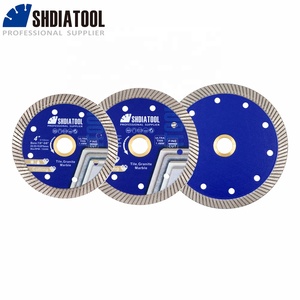
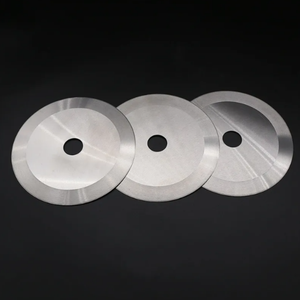
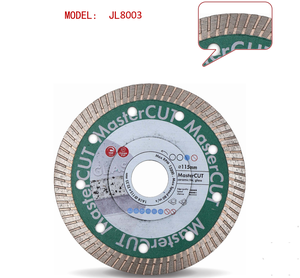
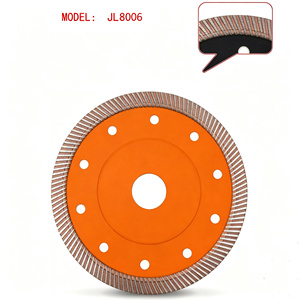
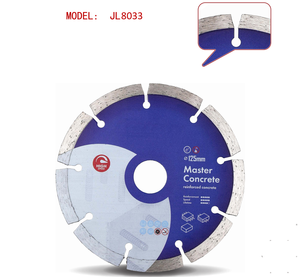
Seamless manufacturing of cookware components relies on tight-tolerance circular slitting knives and diamond-brazed cutting discs. Maintaining edge burr thresholds under 0.02mm prevents structural micro-cracking during the high-tonnage stamping of stainless steel blanks, directly prolonging press die operational cycles.
Operating advanced press shops in key industrial manufacturing hubs, we deliver fully traceable, mill-certified metallic components tailored directly to client engineering drawings.
Our in-house tool room designs, cuts, and maintains progressive blanking dies, deep draw molds, and embossing tools directly from customer CAD/DXF data. By managing tooling production internally, we eliminate third-party delays, maintain strict confidentiality over proprietary hole patterns, and accelerate first-article sample approvals within 7–10 working days.
With dual production units strategically positioned across primary export routes, our operational model absorbs seasonal procurement surges (Q3–Q4 peak retail prep) without compromising delivery timelines. Fully equipped hydraulic press lines ranging from 100 to 600 metric tons handle sheet metal gauges from 0.3mm to 3.0mm with uncompromised repeatability.
Procurement executives and supply chain directors are shifting from transactional spot purchasing to strategic co-engineering models. Key macro trends impacting B2B sourcing decisions include:
Legacy rivet bonding is rapidly giving way to high-pressure thermal friction bonding. Base plates now feature multi-perforated radial designs that maximize aluminum flow during forging, yielding 40% higher shear strength against delamination.
Driven by EU CBAM regulations and corporate Scope 3 emission targets, OEM buyers prioritize prime mill coil produced via Electric Arc Furnaces (EAF) utilizing high scrap ratios, certified under ISO 14064 carbon audits.
Modern consumer preferences lean heavily toward versatile multi-cooker systems. B2B buyers now demand interchangeable insert sets (steamer plates, pasta strainers, idli trays) designed to nest seamlessly within a single master stockpot.
To feed automated robotic assembly lines at buyer factories, insert blanks must maintain zero warp tolerances and uniform stackability margins to prevent automated pick-and-place suction failures.
Continuous metallurgical refining ensures that cookware components withstand thousands of thermal expansion cycles without structural failure.
Advanced laser punching allows hole density ratios exceeding 45% open area on steamer inserts without compromising structural rigidity. The optimized hole pitch prevents localized condensation buildup, ensuring that food products retain texture during high-pressure industrial steaming processes.
Deep drawn cookware inserts undergo secondary surface passivation, shot-peening, or mechanical mirror polishing. This process smooths microscopic surface fissures, improving corrosion resistance under saline food preparation conditions and complying fully with international food-contact hygiene criteria.
Choosing the precise steel grade governs thermal response, drawability, and corrosion resistance. Below is our engineering benchmark for standard cookware insert materials:
| Material Grade | Structure & Metallurgy | Magnetic Permeability | Tensile Strength (MPa) | Elongation (A50 %) | Primary Cookware Application |
|---|---|---|---|---|---|
| SS 430 (EN 1.4016) | Ferritic Stainless Steel | High (Ferromagnetic) | 450 – 600 | ≥ 22% | Induction Base Plates, Cooker Bottom Discs |
| SS 304 (EN 1.4301) | Austenitic Stainless Steel | Low (Paramagnetic) | 520 – 720 | ≥ 40% | Deep Drawn Vessels, Steamer Inserts, Lids |
| SS 201 / SS 202 | Austenitic (Mn-Ni Alloy) | Low | ≥ 650 | ≥ 35% | Economy Food Service Bowls, Outer Shells |
| Aluminium 1050 / 3003 | Pure / Manganese Alloy | None | 100 – 160 | ≥ 25% | Thermal Core Plates, Encapsulated Bases |
Addressing technical specifications, tooling options, quality assurance, and international export documentation.
Send your CAD drawings, sample photographs, or material performance targets to our OEM engineering desk for immediate review and competitive tier-one pricing.