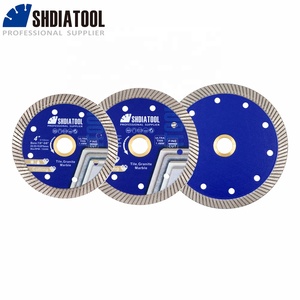
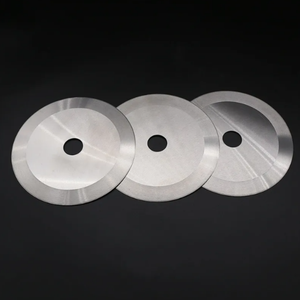
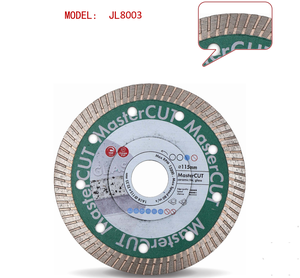
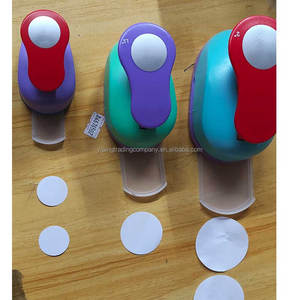
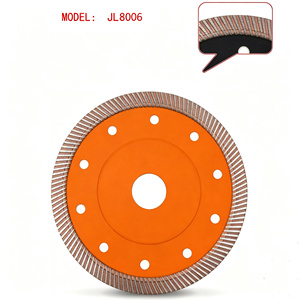
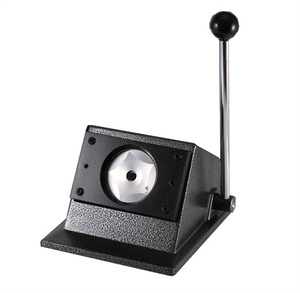
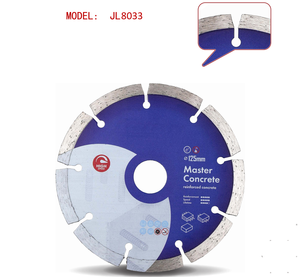
Direct factory supply of mill-certified SS 430 induction base plates, custom rotary knives, precision circle cutters, and diamond tooling discs engineered for cookware manufacturing.
The global commercial and retail cookware market is undergoing a seismic structural transition. Driven by the rapid urbanization of emerging economies, strict energy-efficiency mandates across the European Union, and the universal shift from standard gas burners to high-frequency electromagnetic induction hobs, the technical requirements for commercial cooking pots and domestic stock pots have escalated exponentially. Procurement directors, brand owners, and OEM supply chain managers can no longer rely on single-ply aluminum or generic stamped stainless steel. Today’s market demands precision multi-ply cladding, flawless magnetic permeability, zero-delamination impact bonding, and non-toxic food-contact certification (FDA, LFGB, BIS).
A cooking pot is no longer just a metal shell; it is an engineered thermal exchange vessel. The thermal conductivity of pure aluminum (~237 W/m·K) must be combined with the chemical inertness and structural integrity of austenitic stainless steel (SS 304 / EN 1.4301) and the high magnetic permeability of ferritic stainless steel (SS 430 / EN 1.4016). Navigating the global supplier ecosystem requires an understanding of primary raw material sources, precision tooling capabilities, tooling die lifespans, and regional manufacturing advantages spanning India, China, Vietnam, Turkey, and Western Europe.
Core Sourcing Insight: Over 68% of post-purchase warranty claims in induction-ready non-stick cookware stem directly from base plate delamination caused by mismatched thermal expansion coefficients between the aluminum alloy base and poor-grade ferritic bottom plates. Sourcing mill-certified SS 430 base plates with precise hole perforation geometry is the single most critical quality-control lever for cookware OEMs.
To assist institutional buyers, private-label importers, and enterprise procurement executives in evaluating supply partners, we have compiled an exhaustive technical evaluation of the world's leading cooking pot manufacturers and OEM component specialists. This evaluation considers manufacturing footprint, alloy processing capabilities, quality management systems (QMS), export logistics efficiency, and OEM customizability.
Established in 1974, Jagruti Steels is a premier B2B manufacturer specializing in stainless steel cookware components, SS 430 induction base plates, pressure cooker lids, and deep-drawn vessels. Operating two state-of-the-art facilities in Mumbai (MH) and Sarigam (GJ), the company serves global cookware brands, providing mill-certified EN 1.4016 ferritic discs, custom-embossed base plates, and multi-kadai steamer inserts. Renowned for zero retail market conflict, white-label exclusivity, and proximity to JNPT Port (35 km).
Pioneers in bonded multi-ply cookware, All-Clad dominates the North American professional chef and high-end retail sectors. Their proprietary roll-bonding process fuses exterior stainless steel with interior copper and aluminum cores. Ideal for high-margin, ultra-premium retail lines requiring Made-in-USA certification and lifetime performance guarantees.
One of the world's largest cookware distributors and manufacturers, Meyer operates massive manufacturing plants across Thailand and China. They specialize in hard-anodized aluminum cooking pots, ceramic non-stick stockpots, and high-volume commercial kitchen supplies, supporting massive global retail channels with automated production lines.
German engineering leader WMF focuses on premium Cromargan® 18/10 stainless steel cooking pots, pressure cookers, and hotel food-service vessels. Their TransTherm® universal base technology provides exceptional heat distribution and energy efficiency for European induction standards.
Located in China's stainless steel manufacturing hub, Zhenneng produces extensive ranges of stainless steel stock pots, steamer pots, and catering urns. Equipped with large-tonnage hydraulic drawing presses, they cater to budget-conscious global wholesalers and high-volume import distributors.
Korkmaz is a major Middle Eastern and European manufacturer of stainless steel cookware, tea kettles, and pressure cookers. Utilizing solar-powered manufacturing plants in Turkey, Korkmaz excels in Solar Base impact-bonded encapsulation systems that ensure maximum thermal transfer on electric hobs.
A household brand in South Asia with growing global exports, Hawkins focuses on hard-anodized and stainless steel pressure cookers and deep-drawn cooking pots. Their internal-fitting safety lid engineering represents an industry benchmark in mechanical pressure vessel design.
Paderno specializes in heavy-duty commercial cooking pots built for hotel kitchens, restaurant chains, and institutional caterers. Utilizing extra-thick AISI 304 stainless steel and reinforced non-drip rims, Paderno products are designed to withstand continuous 24/7 commercial dishwasher cycles.
Fissler represents the peak of German precision cookware manufacturing. Known for their CookStar® all-stove base system, laser-engraved internal measuring scales, and heavy-seal rim design, Fissler remains a benchmark for ultra-luxury kitchenware brands seeking OEM inspiration.
Originating from Japan's famous metalworking cluster in Niigata, Yoshikawa manufactures precision stainless steel and rust-resistant nitrided iron cooking pots. Their lightweight design, micro-satin interior finishes, and precise pour-spout geometry set the standard for Asian culinary vessels.
Selecting the correct metallic substrate is the single most decisive factor in determining cooking pot heating dynamics, mechanical durability, corrosion resistance, and total landed product cost. Sourcing teams must balance thermal properties against electromagnetic induction performance.
Induction hobs operate by passing alternating current through a copper coil located beneath the ceramic glass cooktop, generating a oscillating magnetic field. This field induces rapid eddy currents within the pot's base, generating thermal energy via magnetic hysteresis. Standard 18/8 or 18/10 stainless steel (SS 304 / EN 1.4301) is austenitic—meaning its crystal structure is non-magnetic at room temperature. Consequently, an aluminum or SS 304 pot will not trigger an induction sensor.
To overcome this, manufacturers bond a ferritic stainless steel disc (SS 430 / EN 1.4016) to the bottom of the vessel. SS 430 contains 16–18% Chromium and zero Nickel, providing high magnetic permeability, exceptional resistance to thermal deformation, and deep-drawing ductility required for punch-stamping and friction welding.
| Material Standard | Metallurgical Structure | Magnetic Permeability | Thermal Conductivity | Chromium / Nickel Content | Primary Application |
|---|---|---|---|---|---|
| SS 430 (EN 1.4016) | Ferritic | High (> 500 μr) | 26.0 W/m·K | 16-18% Cr / 0.75% Ni | Induction Base Plates, Friction Discs |
| SS 304 (EN 1.4301) | Austenitic | Paramagnetic (≈ 1.02 μr) | 16.2 W/m·K | 18-20% Cr / 8-10.5% Ni | Pot Bodies, Internal Food Contact, Lids |
| Tri-Ply Clad (304-Alu-430) | Composite Clad | High Exterior Base | 160.0 W/m·K (Core) | Multi-Layer Laminated Sheet | Professional Chef Pots, Stockpots |
| Commercial Aluminum (3003) | Non-Ferrous Alloy | Zero (Non-Magnetic) | 190.0 W/m·K | Al-Mn Alloy Substrate | Deep Drawn Pot Bodies, Fry Pans |
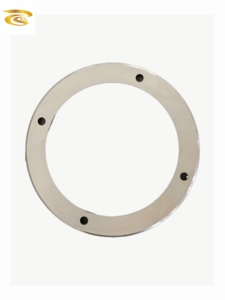
During the manufacturing process, attaching the SS 430 induction plate to an aluminum body requires either impact bonding (using 800 to 2,000-ton hydraulic presses to cold-weld metals at high kinetic energy) or brazing. The perforation pattern cut into the SS 430 base plate plays a critical role: it allows aluminum to flow into the keyholes, forming mechanical anchors that prevent delamination during rapid thermal cycling (e.g., plunging a hot 220°C pot into 15°C wash water).
As retail channels, commercial kitchens, and private-label cookware brands adapt to shifting consumer habits and environmental policies, four major technological trends are reshaping cooking pot procurement:
Traditional spot-welded or basic circle-hole base plates are rapidly being replaced by full-edge encapsulated base plates and intricate geometric micro-perforations. Full encapsulation conceals the aluminum core entirely within a stainless steel shell, eliminating wash-water trap hazards and dishwashing detergent corrosion in commercial operations.
With the European Union's Carbon Border Adjustment Mechanism (CBAM) coming into full enforcement, procurement teams importing cooking pots into Europe must report the embedded carbon emissions of their stainless steel coils. Indian manufacturers utilizing renewable grid energy and mill-certified low-carbon steel (such as units operating near solar hubs in Gujarat) offer a clear tariff advantage over coal-reliant supply chains.
Historically, multi-ply cookware was limited to simple spin-formed shapes. Advanced multi-stage hydraulic press lines now enable deep drawing of 3-ply and 5-ply clad metal sheets into high-depth stockpots without causing layer shearing, delamination, or edge wall thinning. This brings professional-grade heat distribution to mass-market cookware prices.
Enterprise procurement teams are actively diversifying away from single-source Asian hubs. India has emerged as the premier manufacturing alternative for stainless steel cookware components, backed by robust domestic steel mills (Jindal Stainless), skilled tooling engineers, competitive labor costs, and direct ocean freight routes to Europe, the Middle East, and North America via Western ports like JNPT Mumbai.
For brands and manufacturers seeking a reliable, non-competing OEM partner for stainless steel cookware components, Jagruti Steels Pvt. Ltd. offers fifty years of proven engineering mastery. Founded in Mumbai in 1974, Jagruti Steels operates as a dedicated component supplier—we manufacture the vital parts that make cookware brands successful, without competing on retail shelves.
Custom dies, piercing tools, and deep-draw molds designed directly from your engineering drawings or physical samples. Tooling stays private and under absolute client ownership.
Primary operations in Mumbai (MH) paired with high-volume capacity at Mammal Industries (Sarigam, Gujarat), absorbing seasonal peak spikes and guaranteeing delivery timelines.
Every shipment is dispatched with Mill Test Reports (MTRs) for raw SS 430/304 coil, Certificate of Origin, and complete export documentation tailored for EU, US, UAE, and Asian customs.
Key technical and commercial inquiries answered by our senior metallurgists and OEM supply chain directors.
Induction cooktops heat cookware by inducing eddy currents through electromagnetic fields. SS 304 is austenitic and paramagnetic (non-magnetic), meaning it does not react efficiently with an induction hob. SS 430 is a ferritic stainless steel with high magnetic permeability, enabling rapid heat generation. Additionally, SS 430 retains 16–18% Chromium content for excellent corrosion resistance and food-contact compliance under EN 1.4016 / BIS standards.
Delamination occurs when thermal expansion causes the bond between the aluminum pot bottom and the stainless steel plate to break. Jagruti Steels designs engineered hole perforation patterns and anchor slots into the SS 430 base plates. During high-tonnage impact bonding, the ductile aluminum flows through these holes, creating permanent mechanical keylocks that withstand extreme thermal shocks and repeated dishwashing cycles.
Every consignment includes a comprehensive compliance package: Mill Test Certificates (MTR) confirming chemical composition and mechanical properties of the coil, Certificate of Origin, Commercial Invoice, Packing List, and proper HS Code classification (7220.9090 for circle-cut blanks; 7326.9099 for finished cookware components).
For custom geometries, die design and tool fabrication typically take 15 to 25 days depending on press tonnage and perforation complexity. Initial first-article inspection (FAI) samples are dispatched immediately following die testing. Upon sample sign-off, bulk production runs seamlessly across our Mumbai and Sarigam press lines.
Yes. We specialize entirely in white-label OEM manufacturing. We build stamping and embossing dies to match your exact CAD files, DXF drawings, or physical samples—including integrated logo embossing, pattern variations, and custom rim profiles. Under our strict NDA terms, your product designs remain 100% confidential.