Precision-engineered heating elements, deep-drawn stainless steel inner pots, and certified smart micro-computer controllers. Explore our top OEM/ODM models manufactured for global brands.
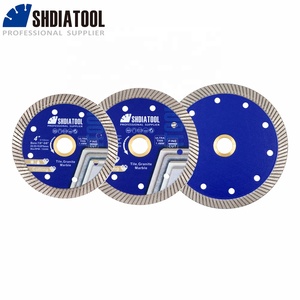
Engineered with high-frequency induction heating and a hot-pressed ultra-thin continuous diamond base disc for rapid thermal conduction and uniform grain gelatinization.
Designed for high-volume commercial kitchens and hotel buffets. Features custom-stamped flat heating bases and high-precision rotary thermal cutting protection components.
Utilizes advanced starch separation technology with tungsten-grade precision perforated steamer plates to reduce reducing sugars while preserving nutrient integrity.
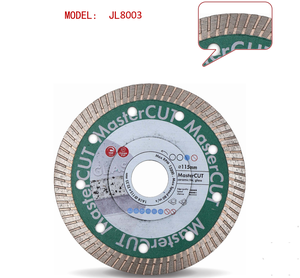
Hot-pressed non-chipping ceramic technology ensures extreme scratch resistance, high thermal retention, and 100% PFAS-free healthy cooking performance.
Tailored for single households and office lunch setups. Built with precision single-hole pressure balance valves and energy-saving low-wattage heating rings.
High-pressure micro-computer rice cooker equipped with turbo mesh heating grids, micro-pressure dual valves, and multi-grain automatic sensing profiles.
Cost-effective, highly durable traditional rice cooker featuring automatic keep-warm magnetic thermostat triggers and deep-drawn aluminum alloy inner liners.
Premium heavy-gauge triple-layer (SS304 + Aluminum + SS430) inner vessel engineered for seamless heat transfer, zero hot spots, and extreme dishwasher longevity.
In the global kitchen appliance ecosystem, China accounts for over 85% of total electric rice cooker manufacturing output. Sourcing professional rice cookers from top China manufacturers requires an in-depth understanding of regional manufacturing clusters, component integration expertise, and strict adherence to international safety and food-contact compliance. Strategic buyers must look beyond superficial aesthetic design and evaluate critical engineering parameters: thermal efficiency, micro-controller algorithm stability, inner pot deep-drawing metallurgy, and magnetic permeability for induction heating (IH) systems.
The manufacturing heartlands of Guangdong (Zhanjiang, Shunde, Dongguan) and Zhejiang (Cixi, Ningbo) represent two distinct supply chain philosophies. Zhanjiang and Shunde specialize in high-volume, highly vertically integrated OEM/ODM supply chains—housing everything from metal stamping and ceramic coating facilities to automated PCB assembly lines. Zhejiang centers excel in advanced IoT micro-computer integration and compact luxury designs. Understanding these supply chain dynamics enables enterprise procurement teams to negotiate competitive unit economics while enforcing zero-defect Quality Assurance (QA) protocols.
As consumer demands shift toward health consciousness, smart home connectivity, and eco-friendly kitchenware, procurement officers must align their product roadmaps with key technical innovations.
Traditional bottom-heating element plates are rapidly being replaced by multi-zone 3D electromagnetic induction coils. By embedding magnetic flux density sensors and operating at frequencies above 25kHz, 3D IH cookers achieve precise thermal circulation, eliminating localized burning and optimizing rice texture consistency.
Global regulatory tightening (EU REACH, US FDA, North American state-level PFAS bans) is forcing a major migration away from PTFE non-stick coatings. Next-generation procurement heavily favors inorganic plasma ceramic coatings and deep-drawn SS304/SS430 tri-ply clad inner vessels that offer high mechanical durability without chemical degradation.
Modern micro-computer rice cookers feature adaptive Fuzzy Logic NTC temperature sensors that adjust boiling curves dynamically based on altitude, grain variety (Basmati, Jasmine, Koshihikari, Brown Rice), and moisture content. Wi-Fi and Matter-protocol smart home integrations allow remote recipe selection and OTA firmware updates.
To assist technical procurement directors in selecting optimal OEM specifications, the table below provides a comparative analysis of heating mechanisms, energy conversion metrics, thermal stability, and manufacturing cost profiles.
| Technology Parameter | Conventional Heating Plate | 3D Micro-Computer IH | High-Pressure IH Cooker | Desugared Health System |
|---|---|---|---|---|
| Heat Generation Method | Resistance Heating Disc | Electromagnetic Induction (20-35kHz) | High-Frequency IH + Dual Valves | Dual-Boil Thermal Extraction |
| Thermal Efficiency Ratio | 72% - 78% | 88% - 93% | 94% - 96% | 82% - 86% |
| Inner Pot Material Standard | Stamped Aluminum Alloy (1.5mm) | SS430 Ferritic Clad + Aluminum | Multi-Layer Heavy Clad SS304/430 | Perforated SS304 Food-Grade |
| Coating Longevity (Abrasion Cycles) | > 5,000 Cycles (PTFE Standard) | > 20,000 Cycles (Nano-Ceramic) | > 35,000 Cycles (Plasma Ceramic) | Uncoated Polished SS304 (Lifetime) |
| Target Consumer Tier | Budget / Mass Retail Market | Mid-to-High Premium Retail | Luxury Commercial & Domestic | Medical & Health-Conscious Niche |
| Relative OEM Unit Cost Index | Baseline (1.0x) | 2.2x - 2.8x | 3.5x - 4.5x | 1.8x - 2.4x |
Combining 50 years of metal processing mastery, automated stamping infrastructure, and stringent dual-factory quality control to support top-tier kitchenware brands globally.
Operating primary manufacturing centers across Guangdong and secondary expanded plants in Sarigam, Gujarat. Dual-location manufacturing provides parallel production capacity, surge absorption during Q3/Q4 peak shipping windows, and supply chain continuity.
We build and maintain deep-drawing dies, stamping molds, and plastic injection tooling entirely in-house. This ensures strict intellectual property protection for proprietary white-label designs, rapid prototype sampling, and significantly reduced tooling lead times.
Every production run includes Mill Test Reports (MTRs) for raw stainless steel coil (SS430 / SS304), dielectric high-voltage insulation tests, micro-computer PCB aging tests (100% 48-hour burn-in), and complete export compliance documentation (Form E, Certificate of Origin).
From technical drawing review to container loading at major export ports (Shenzhen, Ningbo, JNPT Mumbai), our standardized 5-phase product development process ensures zero communication lag and absolute compliance with buyer requirements.
Review CAD/STEP files, evaluate draft angles for inner pot drawing, confirm electrical standards (110V/220V, plug types).
Rapid prototype 3D printing, mold manufacturing, and submission of First Article Inspection Reports (FAIR) with physical samples.
Automated press lines stamp heat plates and inner vessels; robotic sprayers apply ceramic/fluoropolymer coatings followed by thermal curing.
Pre-shipment inspection following ISO 2859-1 (AQL 0.65 Major / 1.5 Minor). Drop tests, ground resistance, and thermal performance testing.
Detailed answers to technical, commercial, and logistical questions surrounding OEM rice cooker manufacturing in China.
For standard custom colorways and buyer packaging on existing tooling platforms, our base MOQ starts at 1,000 units per model. For completely custom ODM projects requiring dedicated inner pot tooling, customized injection molds, or proprietary PCB firmware design, the standard production run MOQ is 2,000 to 3,000 units depending on plastic resin and metal alloy minimum batch sizes.
Induction cooktops require a magnetic material to couple with the high-frequency electromagnetic field generated by the IH coil. SS304 is an austenitic stainless steel structure and paramagnetic (non-magnetic), meaning it will not generate eddy currents on an induction hob. SS430 is a ferritic stainless steel with high magnetic permeability, allowing efficient heat generation while maintaining excellent corrosion resistance and food-contact compliance (EN 1.4016 / FDA grade).
All inner pot coatings—whether PTFE-free organic nano-ceramic or multi-layer fluoropolymer—are certified by independent testing laboratories (SGS, TUV, Intertek) to comply with FDA 21 CFR 175.300, EU Framework Regulation (EC) No 1935/2004, German LFGB, and RoHS/REACH standards. We provide full material migration assay reports prior to mass production.
Yes. Our in-house micro-computer firmware engineering team specializes in calibrating heating profiles (pre-soak stage, high-temperature rapid boiling, steam gelatinization, and thermal reduction keep-warm phase) tailored specifically to regional rice varieties such as South Asian Basmati, Thai Jasmine, Mexican long-grain, or Japanese short-grain rice.
Every single unit undergoes 100% inline electrical safety testing (Hi-Pot high voltage insulation test, ground wire continuity check, and power consumption verification). Furthermore, sampling lots undergo 48-hour continuous thermal aging tests, 1.2-meter drop testing in full retail packaging, and lid hinge durability testing (guaranteed >10,000 opening/closing cycles).
We primarily operate under FOB Shenzhen, FOB Guangzhou, or FOB Ningbo terms, as well as CIF/DDP upon request. Tooling and sample confirmation typically takes 15 to 25 days. Mass production lead time for initial OEM orders is 35 to 45 days upon deposit receipt; repeat orders are streamlined to 25 to 30 days.
Contact our senior OEM engineering team for direct factory pricing, technical CAD consultations, and immediate sample dispatch. We respond to all commercial inquiries within 2 business hours.