Global OEM/ODM Technical Procurement Guide

China Best Pot Bottom Manufacturers & Base Plate Engineering

Comprehensive B2B Insights on Stainless Steel SS 430 Induction Discs, Impact Bonding Metallurgy, and High-Precision Stamping Solutions for Global Cookware OEM Brands.

Precision Manufacturing Line

Featured OEM Pot Bottom Base Plates & Precision Tooling Discs

Engineered to rigorous metallurgical tolerances, our induction base plates, diamond thermal slitting blanks, and deep-drawn steel components meet EN 1.4016 / AISI 430 international standards for zero-delamination thermal bonding.

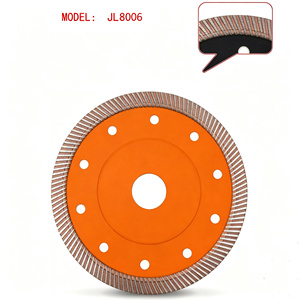
Hot Pressed Super Thin Continuous Rim Turbo Diamond Circular Saw Blade Cutting Disc
Impact Tooling / Disc

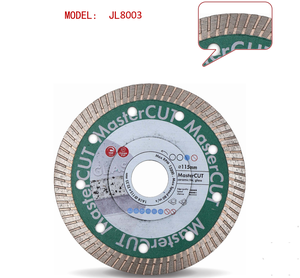
4/4.5/5in Hot Pressed Super Thin Continuous Rim Turbo Diamond Circular Disc

Designed for high-speed edge trimming and precision disc finishing across porcelain, tile, and ceramic cookware cladding equipment.

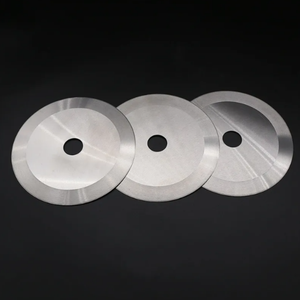
Custom Size Flat Round Slitting Circular Blade Rotary Cutting Knife
Custom Rotary Shear

Custom Size Flat Round Slitting Circular Rotary Cutting Blade Knife

High-alloy tool steel circular knife engineered for precise coil slitting, raw disc shearing, and automated blanking lines.

Best Tungsten Carbide Circular Round Cutting Blade
Tungsten Tooling

Best Tungsten Carbide Circular Round Blade Industrial Slitting Knife

Ultra-durable tungsten carbide rotary blade for industrial material trim, elastomeric seal cutting, and thermal disc preparation.

No Chipping White Hot Press Ultra Thin Diamond Circular Cutting Disc
Ultra-Thin Cutters

7inch No Chipping White Hot Press Ultra Thin Diamond Circular Cutting Disc

Zero-chipping precision diamond cutting disc customized for high-grade ceramic cookware surface polishing and industrial shearing.

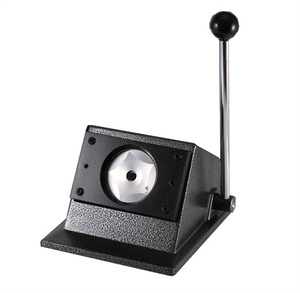
Standard Punch Circle Cutter Single Hole Shapes
Punch Tooling

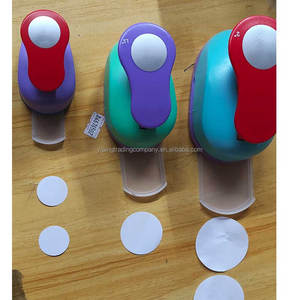
25mm 38mm 50mm Standard Punch Circle Cutter Machine Tool

Multi-diameter blanking and single-hole punching machinery die unit tailored for quick-turn prototyping of induction pot base holes.

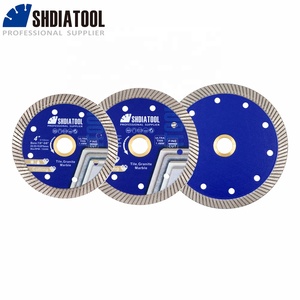
Diamond Brazed Saw Blade Circular Cutting Disc Turbo Mesh
Brazed Mesh Disc

Diamond Brazed Saw Blade Circular Turbo Mesh Disc for Heavy Processing

Heavy-duty vacuum-brazed diamond blade utilized in stone clad cookware manufacturing and precision thermal base rim leveling.

MBC-R SIGO Brand Cheap Round Circle Cutting Machine Round Die Cutter
Die Cutter Machine

MBC-R SIGO Industrial Round Circle Die Cutting Machine for Stainless Blanks

High-speed factory price die cutting press designed to shear circular stainless steel base plates with zero burr deformation.

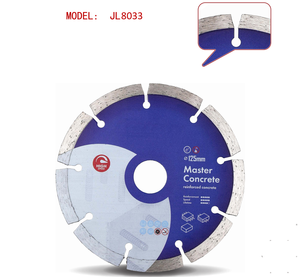
Circular Diamond Saw Blade V Segment Crack Chaser Dry Grooving Disc
Grooving Segment

4in 5in V-Segment Diamond Circular Blade Base Grooving Cutting Disc

Specialized dry grooving segment blade for scoring thermal expansion relief channels on heavy industrial cookware base plates.

50+
Years Combined Expertise
2,500T
Friction Impact Press Force
EN 1.4016
SS430 Certified Alloys
< 0.02%
Field Delamination Rate
Industrial Whitepaper & Purchasing Intelligence

Navigating China's Pot Bottom Manufacturing Supply Chain

A deep-dive technical briefing for B2B procurement managers, cookware design engineers, and global brand buyers sourcing magnetic induction bases and encapsulation discs.

Core Information Gain: Why Base Plate Metallurgy Dictates Cookware Longevity

In modern induction cooking, thermal stress on a pot bottom is asymmetric. The induction coil generates localized magnetic eddy currents that rapidly heat the bottom ferritic disc (SS 430 / EN 1.4016), while the inner vessel (often SS 304 or cast/drawn aluminium) expands at a different Coefficient of Thermal Expansion (CTE). Without precise hole stamping pattern geometry, mill-certified alloy purity, and high-tonnage friction impact bonding, thermal shock leads to bottom bowing, warping, and catastrophic delamination. Selecting a certified China pot bottom manufacturer requires evaluating pressing tonnage, chemical spectroscopy, and custom tooling capabilities.

1. SS 430 Ferritic Induction Integrity

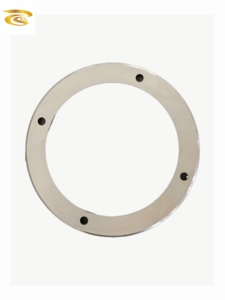
SS 430 (EN 1.4016) features 16-18% chromium content, yielding optimal magnetic permeability required for induction hobs. Unlike paramagnetic SS 304, our custom-stamped SS 430 discs feature tailored hole arrays that allow aluminum melt-through during impact bonding, anchoring the disc permanently to non-stick or hard-anodized cookware bodies.

2. Impact Bonding vs. Brazing Technology

High-end pot bottom manufacturing has shifted from silver/flux brazing to 1,500 - 3,000 Ton friction impact bonding. Under immense instantaneous pressure, the aluminum disc liquefies partially, mechanical-interlocking into the SS 430 plate holes and vessel substrate without leaving toxic chemical flux residues or structural voids.

3. Zero-Burr Edge Roll & Pitch Control

Edge roughness on punch-perforated induction base discs causes micro-scratches on modern glass-ceramic cooktops. Leading OEM manufacturers utilize fine-blanking progressive dies that deburr edge profiles, ensuring flat surface planarity within ±0.15mm post-bonding.

Metallurgical Comparison Matrix

Selecting the Optimal Base Material for Induction Cookware

Engineering breakdown of materials utilized by China's leading pot bottom manufacturers for multi-ply, encapsulated, and non-stick pot construction.

Base Plate Material Type Magnetic Permeability Thermal Diffusivity Impact Bonding Strength Dishwasher & Salt Spray Rating Cost-Efficiency Index
SS 430 / EN 1.4016 (Ferritic Disc) Very High (> 1,000 μ) 26.0 W/m·K Superior (Perforated Melt Interlock) Grade A (16-18% Cr Passivated) Optimal (Global Standard)
Tri-Ply Clad Bottom (SS430 + Al + SS304) High 160.0 W/m·K (Core Al) Full Surface Co-Extrusion Grade A+ (Complete Rim Edge Seal) Premium OEM Range
Spray-Coated Ferrous Arc Base Medium-Low 18.0 W/m·K Surface Adhesion Only Grade C (Prone to Rust Spots) Economy Entry Level
Impact Bonded Encapsulated Al Bottom High (with SS430 Disc) 205.0 W/m·K 1,800T - 2,500T Hydraulic Fusion Grade A (Heavy Duty Commercial) High Value / Long Warranty
Strategic Sourcing Analysis

Future Sourcing & Technology Trends in Pot Bottom Manufacturing

As global energy efficiency legislation tightens across the EU, US, and Asia-Pacific, pot base plate design is undergoing a massive engineering shift.

1. Micro-Perforation & Rapid-Heat Geometry

Legacy 5mm solid hole patterns are being replaced by high-density 1.8mm-2.5mm micro-perforation arrays. Micro-holes increase the contact surface area between molten aluminum and the SS 430 disc by up to 35%, boosting heat transfer speed while trimming total pan weight.

2. Full-Induction Edge-to-Edge Bonding

Traditional recessed bases leave a cold zone along the outer pan rim. Sourcing trends prioritize full-diameter base encapsulation (Edge-to-Edge) where the SS 430 bottom extends to the outer wall radius, accelerating boiling efficiency and eliminating hot-spot food scorching.

3. Sustainable Green Steel & Low-Carbon Alloys

Top-tier China pot bottom suppliers are integrating recycled SS 430 coils produced via Electric Arc Furnace (EAF) tech. Sourcing mill-certified, carbon-footprint-audited stainless coil ensures international buyers meet strict EU CBAM and ESG retail compliance standards.

Factory Quality Control

End-to-End Pot Bottom Stamping & QC Process Workflow

How leading OEM facilities transform raw stainless steel coils into certified, friction-weld-ready cookware bottom plates.

STAGE 01

Spectrometric Coil QC

Every incoming SS 430 coil undergoes Optical Emission Spectrometry to verify 16.0-18.0% Chromium and zero nickel impurities prior to slitting.

STAGE 02

High-Speed Blanking

Progressive multi-cavity dies punch base plate blanks, perforating hole geometries and embossing custom buyer logos in a single press stroke.

STAGE 03

Surface Degreasing & Flattening

Plates pass through ultrasonic degreasing baths and 19-roller precision levelers to guarantee zero oil residue and planar flatness under 0.1mm.

STAGE 04

Thermal Impact Bonding Test

Batch samples undergo 2,500T impact bonding, followed by 250°C thermal shock water-quench cycles to verify zero delamination risk.

Manufacturing Authority & E-E-A-T

Why Global Brands Partner with China's Premier Pot Bottom Manufacturers

Decades of specialized stamping engineering, coupled with modern high-speed tooling and robust export documentation for international buyers.

In-House Die Development

Eliminate 3rd-party tooling delays. Our dedicated tool room engineers custom stamping dies from DXF/CAD drawings within 7-10 working days, maintaining total proprietary client confidentiality.

Complete Export Documentation

Every shipment includes Mill Test Reports (MTRs), Certificates of Origin (Form A/E), REACH/RoHS compliance sheets, and precise HS code classification (7220 9090 / 7326 9099).

Dual-Plant Supply Security

Operating multi-facility stamping plants ensures scalable output, absorbing seasonal procurement surges (Q3-Q4 peak) without risking delivery schedule delays for OEM partners.

B2B Procurement FAQ

Frequently Asked Questions by Technical Sourcing Managers

Answers to common engineering, ordering, and logistical questions regarding custom pot bottom base plate manufacturing.

1. Why is SS 430 mandatory for induction cookware base plates instead of SS 304? +
Induction cooktop hobs generate heat via magnetic eddy currents. SS 304 is an austenitic stainless steel with low magnetic permeability, making it inert on induction hobs. In contrast, SS 430 (EN 1.4016) is a ferritic alloy offering high magnetic permeability. When impact-bonded or encapsulated to aluminum or stainless cookware bodies, SS 430 ensures rapid induction heating while maintaining high corrosion resistance.
2. What measures prevent base plate delamination during thermal shock cycles? +
Delamination prevention depends on three factors: (1) Optimized hole pitch and edge chamfering on the SS 430 plate to maximize molten aluminum mechanical interlock, (2) Clean oil-free surface degreasing prior to bonding, and (3) Utilizing high-tonnage friction impact presses (minimum 1,800T to 2,500T). Our factory tests sample runs under repeated 250°C to 20°C water-quench cycles to verify zero bond failure.
3. What is the standard minimum order quantity (MOQ) for custom-stamped pot bottoms? +
For standard stock die sizes (diameters from 100mm to 220mm), MOQ typically starts at 5,000 units. For fully custom perforated patterns, logo embossing, or non-standard thicknesses (0.4mm - 0.8mm), MOQ is determined by coil slitting width requirements, typically around 2 to 3 metric tons of raw SS 430 alloy material.
4. Can you manufacture base plates according to our custom engineering CAD drawings? +
Yes. Our in-house tool room designs and machines progressive stamping dies directly from client 2D DXF or 3D STEP files. We manufacture custom hole geometries, specialized rim profiles, center boss dimensions, and branded logo embossments under strict NDA agreements.
5. What material certifications and traceability documentation are provided? +
Every shipment is accompanied by a Batch-Specific Mill Test Certificate (EN 10204 3.1) detailing chemical composition (Chromium, Carbon, Manganese content) and mechanical tensile strength. Furthermore, goods are certified food-contact safe and compliant with FDA, EU No 1935/2004, REACH, and RoHS standards.
6. What is the typical lead time from prototype die creation to mass delivery? +
Tooling development and initial CMM-inspected first-article samples take 7 to 12 calendar days. Upon sample sign-off, mass production lead time is generally 15 to 20 days depending on total order volume and custom surface plating requirements.
7. How do you package base plates to prevent transit corrosion and scratching? +
Discs are stacked with anti-corrosion VCI (Volatile Corrosion Inhibitor) interleave paper or protective PE film, shrink-wrapped into rigid bundles, and loaded into moisture-sealed export plywood cases. This guarantees zero surface oxidation during oceanic container transit.
8. What are the key HS Codes used for shipping cookware pot bottoms internationally? +
Unfinished circle-cut stainless steel blanks are classified under HS Code 7220 9090 (Flat-rolled stainless steel under 600mm width). Stamped, perforated, or finished induction base plates are classified under HS Code 7326 9099 (Articles of iron or steel, stamped/other).

Request Custom Pot Bottom Tooling & Factory Quotations

Send us your engineering drawings, required disc diameters, material specs, or estimated annual volume. Our technical engineering desk will respond within 2 business hours with pricing, tooling feasibility, and sample schedules.

Inquire Now