Explore our export-grade, CE-compliant product series engineered for international retail brands, hospitality procurement, and global cookware distributors.
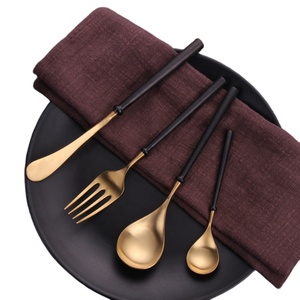
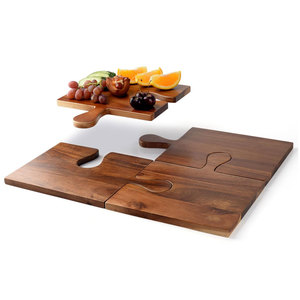
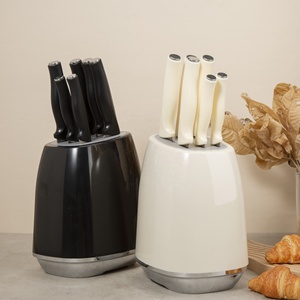
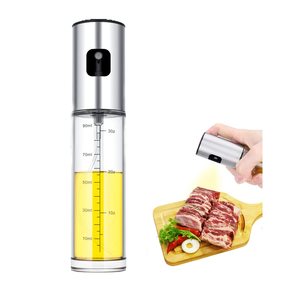
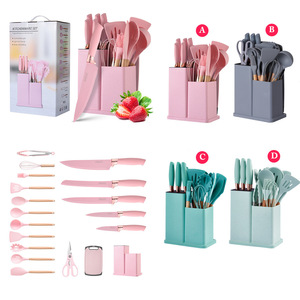
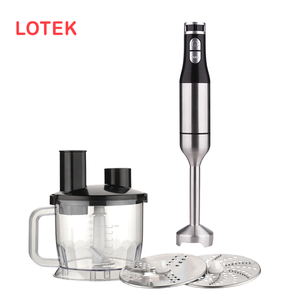
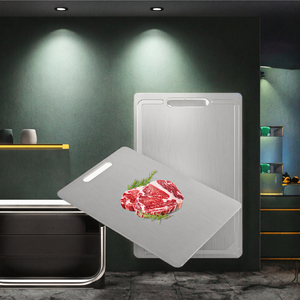
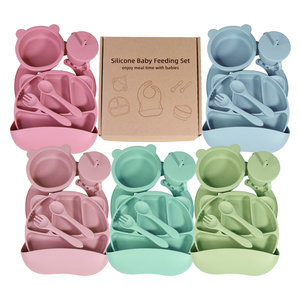
In the contemporary B2B global supply chain, sourcing kitchenware and culinary tools extends far beyond aesthetic appeal and initial piece-price evaluation. Procurement directors, brand owners, and OEM sourcing specialists operating across the European Union, North America, and the Middle East face an increasingly rigorous regulatory landscape. Navigating international safety protocols requires an in-depth technical understanding of CE Certification frameworks, food-contact material (FCM) compliance, metallurgical purity, and industrial forming precision.
The CE (Conformité Européenne) mark on kitchenware, culinary utensils, and electric appliances serves as a mandatory declaration that products satisfy essential European health, safety, and environmental protection benchmarks. For kitchenware manufacturers, CE compliance is multi-faceted, governing both passive tools (cutlery, cookware, silicone sets) and active kitchen appliances (hand blenders, thermal processing units).
Material integrity determines product longevity, corrosion resistance, and thermal efficiency. Professional OEM factories leverage specialized alloy compositions tailored to specific culinary functions:
| Material Category | Standard Specification | Key Metallurgical Characteristics | Primary Industrial Applications |
|---|---|---|---|
| Austenitic Stainless Steel | AISI 304 / EN 1.4301 (18/8 & 18/10) | Non-magnetic, 18% Chromium / 10% Nickel; superior pitting corrosion resistance. | Luxury hotel cutlery, oil sprayer bottles, deep drawn soup kettle liners, premium bowls. |
| Ferritic Stainless Steel | AISI 430 / EN 1.4016 | Ferromagnetic, 16-18% Chromium; optimal thermal conductivity & induction capability. | Cookware induction base plates, pressure cooker caps, thermal impact-bonded bases. |
| Grade 1 Pure Titanium | ASTM B265 Grade 1 | Lightweight, 100% bio-compatible, self-healing oxide layer, non-porous antibacterial surface. | Double-sided commercial cutting boards, surgical-grade food prep surfaces. |
| Platinum Silicone | FDA 21 CFR 177.2600 / LFGB | Silicate polymer cured with platinum catalyst; zero volatile organic compounds (VOCs). | Kids weaning plates, non-scratch spatulas, baby feeding spoons. |
Manufacturing high-performance cookware components—such as induction base plates, deep-drawn pressure cooker shells, and multi-cavity steamer plates—demands high-tonnage hydraulic press infrastructure and precision tooling. Factory tooling must accommodate material spring-back, maintain uniform wall thickness post-draw, and eliminate micro-fissures that lead to stress corrosion cracking over multi-year commercial usage.
Strategic insights for procurement directors aligning their product lines with global consumer shifts, sustainability regulations, and technological advancements.
Commercial and household blenders are shifting toward high-torque copper motors (1600W+) with active thermal protection. CE standards now emphasize lower energy consumption per processing cycle alongside reduced acoustic emissions under full load.
Escalating consumer awareness surrounding microplastic shedding from traditional polypropylene chopping boards has accelerated global procurement of 100% Pure Titanium and solid FSC Acacia wood sets, delivering non-porous, self-sanitizing prep surfaces.
With induction cooktop adoption expanding across Europe and Asia, cookware brands are mandating SS 430 (EN 1.4016) magnetic base discs across all non-stick aluminum, cast iron, and tri-ply cookware lines to ensure maximum magnetic flux efficiency.
Urban space optimization has driven demand for multi-piece space-saving systems—such as 19-piece silicone sets with integrated storage buckets and puzzle-handle acacia charcuterie boards that double as decorative serveware.
Modern B2B importers mandate batch-level Mill Test Reports (MTR) per coil run. Full digital traceability ensures effortless customs clearance, verification of recycled steel content, and compliance with EU Supply Chain Due Diligence Directives.
Our in-house toolroom designs and manufactures custom dies, stampings, PVD color coatings, and private label packaging tailored exactly to your brand specification.
Operating continuously since 1974 from primary facilities in Mumbai and an expanded production unit in Sarigam, Gujarat (Mammal Industries), our enterprise combines half a century of metallurgical tradition with modern automated press infrastructure.
Parallel manufacturing bases in Maharashtra and Gujarat provide capacity flexibility, absorbing peak seasonal procurement surges without compromising lead times.
Complete control over CAD design, CNC die cutting, and trial stampings eliminates external tooling delays and safeguards proprietary buyer geometry.
Situated just 35 km from JNPT (Jawaharlal Nehru Port Trust, Mumbai), our facility minimizes inland freight costs and ensures rapid sea container dispatch worldwide.
Clear, direct technical answers regarding CE certification, OEM minimum order quantities, material traceability, and export logistics.
Every shipment is accompanied by batch-specific Mill Test Reports (MTR) issued under EN 10204 3.1, confirming chemical composition and mechanical properties. Additionally, we provide Third-Party Test Certificates (SGS/TÜV/Intertek) demonstrating compliance with Regulation (EC) No 1935/2004, FDA 21 CFR, and LFGB food contact safety standard protocols.
Yes. We offer turnkey white-label and OEM manufacturing. Capabilities include laser engraving brand logos, custom embossing, custom PVD color finishes (matte gold, rose gold, gunmetal black), custom silicone color matching (Pantone system), and customized retail color box packaging.
Induction hobs generate heat by inducing high-frequency eddy currents in ferromagnetic metals. SS 304 is austenitic (paramagnetic) and does not react efficiently with induction fields. SS 430 is ferritic, offering high magnetic permeability while maintaining exceptional corrosion resistance and deep-draw formability, making it the industry gold standard for induction base bonding.
MOQ varies by product complexity: standard cutlery sets and spray bottles start at 1,000 units, while specialized OEM deep-drawn components or customized silicone utensil sets range from 500 to 2,000 sets. Production lead time for standard recurring catalog items is 20-30 days post sample approval; new custom die tooling requires an additional 15-20 days.
Our press lines utilize multi-stage hydraulic drawing with intermediate controlled annealing to relieve work-hardening stress. We employ high-grade drawing lubricants, automated micro-thickness monitoring, and 100% optical surface inspection to prevent thinning, burrs, or pitting before final polishing and packaging.
Connect directly with our senior engineering team to request sample kits, technical datasheets, or competitive factory-direct quotations for your next production run.